
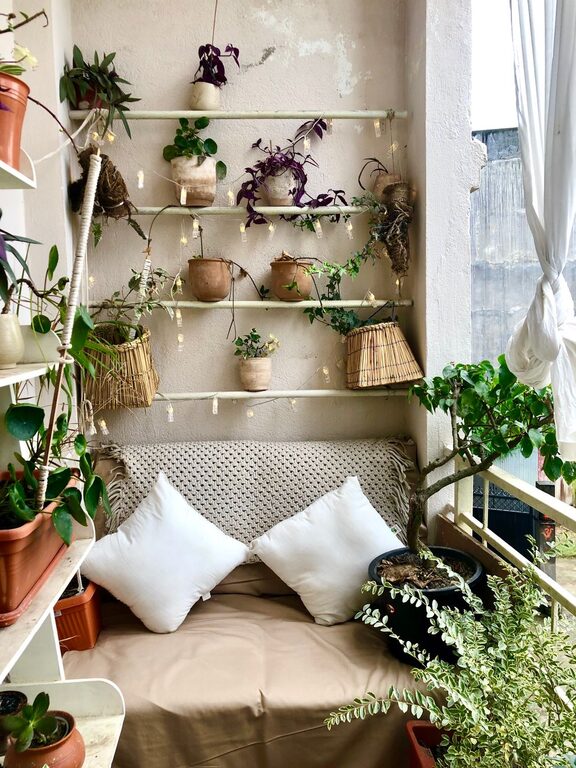
A small balcony can become one of the most inviting spaces in your home. Even with limited floor area, a few thoughtful choices can create a comfortable spot for morning coffee, reading, relaxing, or enjoying fresh air.
The key is to focus on comfort, function, and atmosphere. Instead of trying to fit too much furniture or decoration into the space, choose items that serve a purpose and make the balcony feel welcoming.
Start With a Simple Plan
Before buying anything, measure the balcony and consider how you want to use it. A space designed for morning coffee may need only a small table and one or two chairs. If you want a place to read or relax, a cushioned bench or compact lounge chair may be more useful.
Think about the following questions:
– How many people will use the balcony?
– Will you eat, work, read, or relax there?
– How much sunlight and wind does the space receive?
– Is the balcony covered or exposed to rain?
– Where can you store cushions and accessories?
Once you know the main purpose, it becomes easier to choose the right furniture and avoid unnecessary clutter.
Choose Furniture That Fits
Furniture has the greatest effect on how spacious or crowded a small balcony feels. Look for pieces with a compact design and a light visual appearance.
A folding bistro table is a practical choice because it can be moved or stored when you need more room. Folding chairs offer similar flexibility. If you prefer a more permanent seating area, consider a narrow bench placed against a wall or railing.
Useful small-balcony furniture options include:
– Folding chairs
– A slim bench
– A small round table
– A storage ottoman
– A compact lounge chair
– A wall-mounted folding table
Round tables can help soften the look of a narrow balcony and make movement easier. Furniture with open legs or a simple frame can also make the floor feel less crowded.
Always leave enough space to walk safely. It is better to have one comfortable chair than several pieces that make the balcony difficult to use.
Add Comfortable Textiles
Soft textiles can quickly change a plain balcony into a cozy retreat. Add seat cushions, outdoor pillows, or a small weather-resistant rug to make the area more inviting.
Choose materials made for outdoor use, especially if the balcony is exposed to moisture and sunlight. Outdoor fabrics are generally easier to clean and less likely to fade or hold moisture.
For a comfortable and coordinated look, use two or three related colors. For example, a neutral rug can be paired with green pillows and warm beige cushions. If the balcony already has colorful walls or flooring, choose softer accessories to keep the design balanced.
A lightweight throw blanket can add warmth on cool evenings. Store it in a covered basket or indoor cabinet when it is not in use so it stays clean and dry.
Use Lighting to Create Atmosphere
Good lighting can make a balcony feel cozy after sunset. You do not need bright outdoor fixtures. Soft, warm light usually creates a more relaxing atmosphere.
String lights are a popular option because they take up very little space. Attach them along a wall, railing, or overhead area using outdoor-safe hooks. Battery-powered lanterns and small LED lamps can provide additional light without requiring complicated installation.
Consider using several low-level light sources instead of one bright light. You might combine:
– A strand of string lights
– A small table lamp designed for outdoor use
– Battery-powered candles
– A compact lantern
– Solar lights for the railing or planters
Make sure all electrical products are rated for outdoor use and protected from weather when necessary. Avoid placing cords where they could become a tripping hazard.
Bring In Plants
Plants make a balcony feel more lively and connected to nature. They can also add privacy, color, and texture without taking up much floor space.
If your balcony receives plenty of sunlight, consider plants that enjoy bright conditions. For a shaded balcony, choose varieties that can tolerate lower light. Always check the care instructions before purchasing, since balconies can be hotter, windier, or colder than indoor rooms.
To save floor space, use:
– Railing planters
– Wall-mounted plant holders
– Hanging baskets
– Narrow plant stands
– Window boxes
– Small pots grouped on a shelf
Place taller plants near the corners and smaller pots on tables or shelves. This creates layers without blocking the entire view. Choose sturdy containers with drainage holes, and use saucers where needed to help protect the balcony surface.
If caring for many plants feels difficult, start with two or three easy-care options. A small collection that stays healthy will look better than a crowded arrangement that requires more maintenance than you can manage.
Add Privacy Without Blocking Light
A little privacy can make a small balcony feel more comfortable. If the space is overlooked by nearby windows or balconies, use a light screen, outdoor curtain, bamboo panel, or tall planter.
Choose a solution that suits your building rules and does not interfere with safety features. Outdoor curtains can create a soft, relaxed feeling, while a trellis with climbing plants adds natural texture over time.
Avoid covering the entire balcony with heavy materials. Partial screening often provides enough privacy while allowing light and air to pass through.
Make Use of Vertical Space
When floor space is limited, look up. Walls, railings, and corners can provide useful storage and display areas.
A narrow wall shelf can hold small plants, candles, or decorative objects. Hooks can support hanging baskets, lanterns, or lightweight tools. A pegboard or outdoor storage panel can also help keep gardening supplies organized.
Keep mounted items secure, especially on balconies exposed to wind. Use products designed for outdoor conditions and check that they are suitable for the wall surface.
Choose a Calm Color Palette
Color can influence how spacious and relaxing the balcony feels. Light neutrals, soft greens, warm wood tones, and muted blues can create a calm atmosphere. You can then add one stronger accent color through pillows, planters, or a small outdoor rug.
Using similar colors across furniture and accessories helps the space look organized. This does not mean everything must match exactly. A mix of textures, such as woven materials, smooth ceramics, and soft fabric, can add interest without making the balcony feel busy.
If the balcony is very small, limit the number of patterns. One patterned item can become a focal point, while the rest of the accessories remain simple.
Include Small Personal Details
The final touches make the space feel like your own. Add items that support how you plan to use the balcony, such as a tray for drinks, a small side table for books, or a basket for blankets.
You might also include:
– A favorite outdoor-safe decoration
– A small wind chime
– A colorful plant pot
– A compact candle holder
– A weather-resistant piece of artwork
– A tray for snacks and beverages
Choose decorations carefully so the balcony remains easy to clean and use. A few meaningful details are usually more effective than many small objects.
Keep the Space Easy to Maintain
A cozy balcony should also be practical. Select washable cushions, durable furniture, and containers that can handle outdoor conditions. Sweep the floor regularly, remove dead leaves, and check plants for dry soil or damaged growth.
Use a storage box or covered basket for accessories that should not stay outside. At the end of each season, clean and inspect the furniture, bring delicate items indoors, and refresh the layout if needed.
The best small balcony design is one that invites you to use it. With comfortable seating, soft lighting, a few plants, and thoughtful storage, even a narrow outdoor area can become a peaceful extension of your home.