
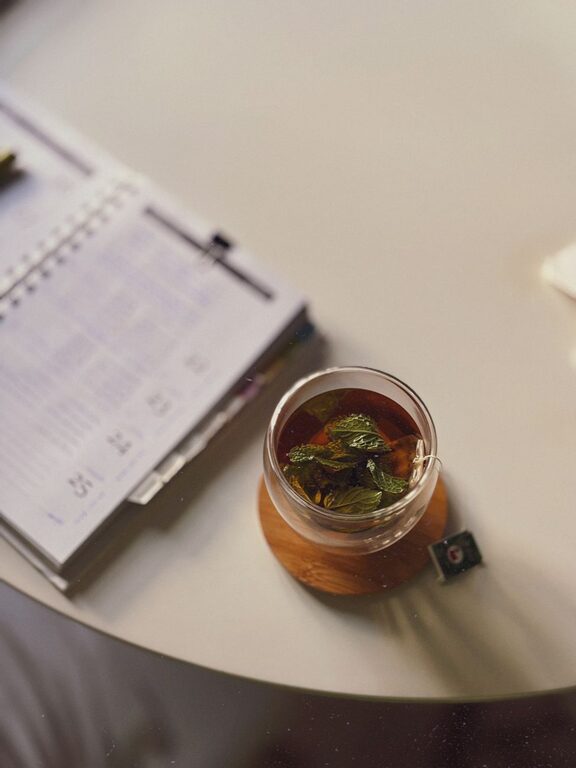
A good weekend does not need to be packed with activities to feel meaningful. In fact, trying to fit too much into two short days can leave you feeling more tired than when the weekend began. A no-stress weekend is about making thoughtful choices, leaving room for rest, and setting yourself up for a smoother week ahead.
With a little planning, you can enjoy your free time without creating a strict schedule or adding more pressure. Here is how to design a weekend that feels calm, enjoyable, and manageable.
Start With How You Want to Feel
Before making plans, think about what you need from the weekend. Do you want to rest, spend time with people, finish a small project, get outside, or simply have a change of pace?
Your answer can help guide your decisions. For example, if your week has been busy and noisy, a quiet weekend may be more helpful than a full calendar. If you have been working alone, meeting a friend could give you a welcome boost.
Choose one or two feelings or priorities for the weekend, such as:
– Rested
– Connected
– Refreshed
– Organized
– Creative
– Active
– Entertained
These priorities give your weekend direction without turning it into a list of obligations.
Keep Your Schedule Light
One of the easiest ways to create stress is to plan every hour. Instead, choose a few activities that matter most and leave open time between them.
A useful rule is to plan no more than one major activity per day. A major activity might be a day trip, a large household task, a social event, or a long appointment. Smaller activities, such as reading, taking a walk, or preparing a meal, can fit around it.
When planning, allow extra time for:
– Travel
– Getting ready
– Meals
– Unexpected delays
– Breaks between activities
A schedule with breathing room is more enjoyable than one that requires you to hurry from place to place.
Use a Simple Weekend Outline
You do not need a detailed timetable. A basic outline may be enough:
– Friday evening: Relax and transition out of work mode
– Saturday morning: Enjoy a favorite activity or complete one task
– Saturday afternoon: Leave time for rest or social plans
– Saturday evening: Have an easy meal and unwind
– Sunday morning: Take the day slowly
– Sunday afternoon: Prepare lightly for the week
– Sunday evening: Keep the pace quiet and comfortable
This structure provides guidance while allowing plans to change.
Create a Relaxing Friday Evening
The way you begin the weekend can affect how the rest of it feels. If possible, avoid treating Friday evening as another workday. Give yourself a short transition period before starting chores or social activities.
You might:
– Change into comfortable clothes
– Take a short walk
– Listen to music
– Prepare a simple dinner
– Put away work materials
– Spend a few minutes writing down unfinished tasks
If something is still on your mind, make a quick note of it for Monday. Capturing the thought can help you stop carrying it through the weekend.
Try not to use Friday night to begin a long list of chores. A small reset is fine, but the main goal is to shift into a slower rhythm.
Choose Activities That Actually Restore You
Not every enjoyable activity is restful, and not every restful activity is exciting. The best weekend plans are those that leave you feeling better afterward.
Consider mixing different types of activities:
Restful Activities
These help your mind and body slow down.
– Reading
– Taking a warm shower or bath
– Watching a favorite movie
– Listening to a podcast
– Sitting outdoors
– Taking a nap
Energizing Activities
These can improve your mood without requiring intense effort.
– Going for a walk
– Visiting a local market
– Trying a new recipe
– Exploring a nearby area
– Doing a creative hobby
– Playing a casual game
Connecting Activities
These provide time with people you enjoy.
– Sharing a meal
– Calling a family member
– Meeting a friend for coffee
– Hosting a simple gathering
– Taking a walk with someone
Aim for variety, but do not feel obligated to include every category. The right balance depends on your energy and interests.
Make Meals Easier
Meal decisions can take up more time and energy than expected. A little preparation can make the weekend feel smoother.
Choose a few simple meals before the weekend begins. You can prepare ingredients, shop for a few essentials, or keep convenient options available. This does not mean planning every snack or following a strict menu. It simply reduces the number of decisions you need to make.
Consider:
– Preparing breakfast ingredients in advance
– Cooking one larger meal for leftovers
– Keeping easy snacks on hand
– Choosing one meal to enjoy outside the home
– Cleaning the kitchen as you go
A relaxed meal can become one of the highlights of the weekend, especially when you avoid making it overly complicated.
Handle Chores in Small Batches
Ignoring every chore may make Monday more difficult, but spending the entire weekend cleaning can prevent you from relaxing. The goal is to complete a few useful tasks without letting them take over.
Choose two or three chores that will make the biggest difference. For example:
– Do one load of laundry
– Change the bed linens
– Tidy the main living area
– Take out the recycling
– Plan a few weekday meals
– Restock basic household items
Set a reasonable time limit, such as 30 to 60 minutes. When the time is up, stop or take a break. You can always continue later if you still have the energy.
Protect Some Unscheduled Time
Unscheduled time is not wasted time. It gives you room to follow your mood, recover from a busy week, or enjoy something unexpected.
Leave at least a few open blocks in your weekend. During that time, you might decide to:
– Read another chapter
– Take a longer walk
– Call someone
– Explore a new café
– Work on a hobby
– Do absolutely nothing for a while
Open time also helps when plans change. If an activity takes longer than expected, you will not immediately fall behind.
Set Gentle Boundaries
A no-stress weekend may require a few simple boundaries. Consider deciding when you will check work messages, how many invitations you will accept, and which tasks can wait until next week.
You could:
– Turn off nonessential notifications
– Avoid checking work email at set times
– Say no to plans that do not fit your energy
– Keep one evening free
– Set a reasonable bedtime
– Limit errands by grouping them together
Boundaries are not about being unavailable all weekend. They are about making sure your time is not automatically claimed by other people, devices, or unfinished tasks.
Prepare for Monday Without Taking Over Sunday
A small amount of preparation can make the next week feel easier. Keep it simple and stop before it becomes another work session.
You might spend 20 to 30 minutes:
– Checking your calendar
– Choosing an outfit
– Preparing a bag
– Writing down your top priorities
– Planning an easy breakfast
– Clearing your main workspace
Focus on the first part of Monday rather than trying to plan the entire week. Once the basics are ready, return to your weekend.
Give Yourself Permission to Change Plans
Even a carefully planned weekend may not go exactly as expected. You may feel more tired than anticipated, the weather may change, or an invitation may no longer sound appealing. A flexible plan is more useful than a perfect one.
If you need to cancel or adjust something, ask:
– Is this still helping me enjoy the weekend?
– Do I have enough energy for it?
– Can I make the plan simpler?
– Would a quieter alternative be better?
The purpose of planning is to support your well-being, not to create another standard you must meet.
Make Your Own Version of a Good Weekend
A no-stress weekend does not look the same for everyone. For one person, it may include a quiet morning at home. For another, it may involve exploring a new place or spending time with friends.
Start with what helps you feel comfortable and refreshed. Plan a few meaningful activities, leave room for rest, simplify everyday decisions, and let the schedule remain flexible. With these habits, your weekend can become a genuine pause rather than another set of responsibilities.