
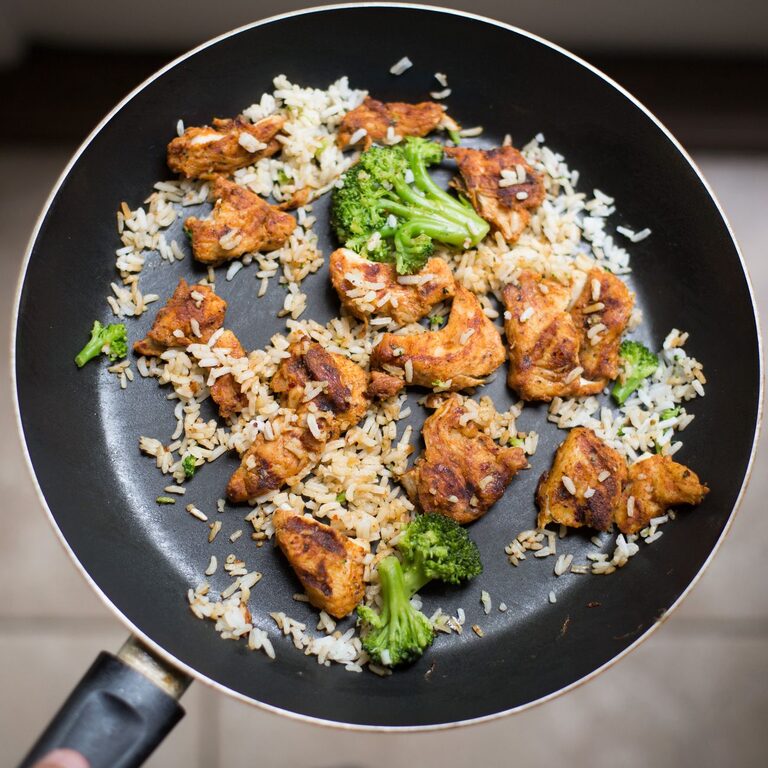
Dinner cleanup does not have to feel like a second meal to prepare. A few small habits can reduce clutter, shorten washing time, and make the kitchen easier to manage every day. The goal is not to keep everything perfect while cooking. Instead, focus on preventing mess where you can and creating a simple routine for what remains.
Start With a Cleanup-Friendly Plan
Some meals naturally create more dishes and spills than others. When you are planning dinner, consider how much cleanup you want to handle afterward.
Choose recipes that use:
– One pot, pan, or baking dish
– Fewer cutting boards and utensils
– Ingredients that can be prepared in the same bowl
– Simple cooking methods, such as roasting or simmering
– Ingredients that do not require several separate sauces
This does not mean every meal needs to be basic. You can still make a flavorful dinner while choosing a method that keeps the kitchen under control. For example, a sheet-pan meal can combine a main dish and vegetables on one pan, while a one-pot pasta dish can reduce the number of bowls and pans to wash.
It also helps to read the entire recipe before starting. Knowing which tools and containers you will need prevents you from reaching for extra items along the way.
Keep the Sink and Dishwasher Ready
A clear sink makes cleanup feel easier from the beginning. Before cooking, take a moment to remove clean dishes from the drying rack and put away anything sitting in the sink. This creates an open space for rinsing and soaking items as you work.
If you use a dishwasher, check that it has enough room for the dinner dishes. You can also add a few items before cooking, as long as the dishwasher is not full or running. When the meal is finished, you will have a clear plan for loading the remaining dishes.
Keep a few basic supplies nearby:
– Dish soap
– A scrub brush or sponge
– A clean dish towel
– A small trash bowl or compost container
– A reusable cloth for wiping counters
Having these items within reach saves time and makes it easier to clean spills as soon as they happen.
Clean While You Cook
Cleaning as you cook is one of the simplest ways to reduce the final workload. You do not need to wash every item immediately. Use waiting time to handle small tasks.
While water boils or food cooks, you can:
– Put ingredients back in the refrigerator or pantry
– Place used measuring spoons in the sink
– Rinse a cutting board
– Wipe a countertop
– Load dishes into the dishwasher
– Empty food scraps into the trash or compost container
Try to finish with the cutting board, knife, and measuring tools before the meal is ready. Then, after dinner, you may only need to wash the serving dishes and cookware.
Be careful not to clean too close to heat or leave sharp tools where someone could reach them accidentally. Safety should always come before speed.
Use a Trash Bowl
A small bowl on the counter can collect peels, packaging, stems, and other food scraps while you prepare dinner. This keeps the work area more organized and reduces trips to the trash or compost container.
When you finish preparing the meal, empty the bowl all at once. You can then rinse it with the other dishes or use it again during cleanup.
A trash bowl is especially useful when a recipe includes several vegetables or requires trimming ingredients. It also helps keep small scraps from falling onto the floor or getting stuck around the sink.
Choose Tools That Do More
Kitchen tools that serve more than one purpose can reduce both clutter and cleanup. A chef’s knife, for example, can handle many cutting tasks without requiring separate knives for every ingredient. A large cutting board may also provide enough space to prepare several items without adding another board.
Other useful choices include:
– Measuring cups that work for both dry and liquid ingredients
– Mixing bowls that can double as serving bowls
– Oven-safe cookware that can go from cooking to the table
– A large skillet for both sautéing and reheating
– Reusable containers for storing leftovers
Using fewer tools means fewer items to wash and put away. It also makes kitchen storage easier because you are not managing a large collection of single-use equipment.
Line Pans When It Makes Sense
Lining a baking sheet or pan can reduce stuck-on food and greasy residue. Parchment paper, a reusable baking mat, or foil may help depending on the recipe and the cookware.
Use the lining recommended for the cooking temperature and food type. Avoid placing materials where they could touch an open flame or heating element. If you are unsure, check the product instructions.
Lining a pan does not eliminate cleanup completely, but it can make the difference between a quick rinse and a long scrubbing session. It is especially helpful for roasted vegetables, baked foods, and meals with sticky sauces.
Soak Difficult Dishes Right Away
Dried food is usually harder to remove than fresh residue. After serving dinner, fill pots, pans, and dishes with warm water and a small amount of dish soap. Let them soak while you eat or finish other tasks.
For especially sticky cookware, use a soft scraper or brush after soaking. Avoid using harsh tools that could scratch the surface. Different materials, such as nonstick coatings, stainless steel, and cast iron, may require different cleaning methods, so follow the care instructions for each item.
A short soak can turn a difficult task into a quick wash. It also prevents dishes from piling up with hardened food while you take a break.
Make Cleanup a Shared Routine
Dinner cleanup does not need to be handled by one person. If several people are available, divide the tasks into small jobs.
One person can:
– Clear plates from the table
– Scrape food into the trash or compost
– Load the dishwasher
– Wash cookware
– Wipe the table and counters
– Sweep the floor
Children can help with age-appropriate tasks, such as carrying napkins to the laundry area or placing unbreakable dishes near the sink. Giving each person a clear job is often more effective than asking everyone to “help clean.”
You can also assign tasks based on preference. Someone who dislikes washing dishes may prefer wiping counters or putting away food.
Store Leftovers Before You Get Tired
Once everyone has finished eating, transfer leftovers to storage containers and label them if needed. This keeps food from sitting out too long and clears serving dishes from the table.
Choose containers that stack well and match the amount of food you usually save. If you use several small containers for one meal, cleanup and refrigerator organization may become more difficult. A few appropriately sized containers can make both tasks easier.
After storing leftovers, return ingredients to their proper places. A quick reset now prevents a crowded refrigerator and cluttered counters later.
End With a Five-Minute Reset
A short final reset can make the next morning much more pleasant. Set a timer for five minutes and focus only on the most noticeable tasks:
- Load or wash the remaining dishes.
- Wipe the counters and table.
- Rinse the sink.
- Sweep up visible crumbs.
- Put away anything left out.
You do not need to deep-clean the kitchen every night. The purpose of a five-minute reset is to restore basic order so that tomorrow’s cooking starts in a clean, usable space.
Keep the Routine Flexible
Not every evening will allow time for a complete cleanup. On busy nights, focus on the essentials: store food safely, soak cookware, clear the table, and remove anything that could create odors or attract pests. You can handle less urgent tasks later.
The most effective cleanup routine is one that fits your household and happens consistently. By planning simpler meals when needed, cleaning during cooking, using fewer tools, and sharing the work, you can make dinner cleanup faster without making the evening feel rushed.