
Creativity is not limited to artists, writers, or people with naturally unusual ideas. It is a useful everyday skill that helps you solve problems, communicate clearly, and see familiar things in new ways. The good news is that creativity can be practiced like any other skill.
You do not need expensive supplies, large blocks of free time, or a special workspace. A few minutes of focused activity each day can help you become more observant, curious, and comfortable with new ideas. Here are simple ways to make creativity part of your daily routine.
Start with a Small Daily Practice
A creative habit is easier to maintain when it feels manageable. Instead of planning a two-hour project, choose an activity that takes five to fifteen minutes.
Small practices might include:
– Writing three sentences in a notebook
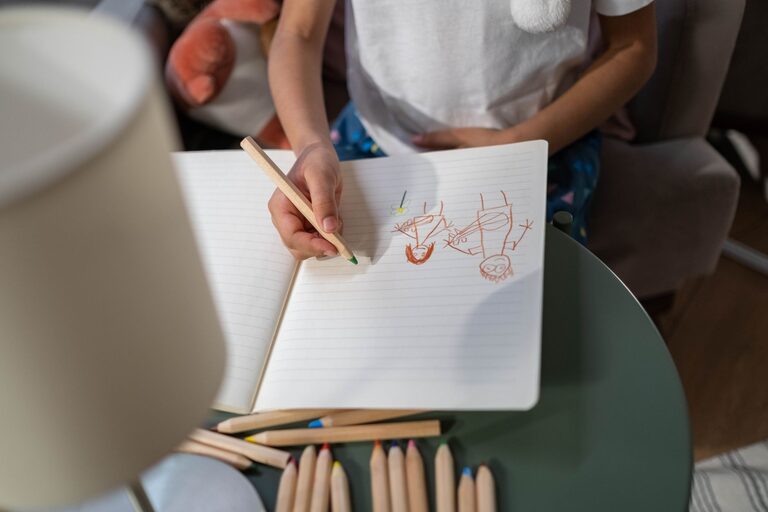
– Making a quick sketch
– Taking a photo of an interesting detail
– Listing possible solutions to a simple problem
– Rearranging objects on a shelf
– Learning one new word or fact
– Creating a short melody or rhythm
The goal is not to produce something impressive every time. The goal is to show up regularly. Consistency gives your mind more opportunities to explore and connect ideas.
Choose a time that naturally fits your day. You might write after breakfast, sketch during a lunch break, or collect ideas before bed. Linking creativity to an existing routine can make it easier to remember.
Keep an Idea Notebook
Ideas often appear at inconvenient times. Keep a small notebook, notes app, or voice recorder nearby so you can capture them quickly.
Your notebook does not need to contain polished thoughts. It can include:
– Interesting questions
– Names for imaginary places
– Descriptions of things you notice
– Possible project ideas
– Lines of dialogue
– Memories
– Useful phrases
– Problems you would like to solve
Do not worry about organizing everything immediately. Recording an idea is more important than judging it. A thought that seems ordinary today may become useful when combined with another idea later.
You can also create a daily prompt, such as “What would happen if…?” or “How could I improve…?” Prompts give your mind a starting point when you are not sure what to create.
Practice Looking Closely
Creativity often begins with attention. When you slow down and observe your surroundings, you notice details that usually disappear into the background.
Choose an ordinary object, such as a coffee mug, houseplant, or pair of shoes. Study it for a minute. Notice its shape, texture, color, marks, and purpose. Then describe it in writing or draw it from memory.
You can also practice observation while walking. Look for:
– Repeating patterns
– Unusual color combinations
– Interesting shadows
– Different textures
– Signs, labels, or bits of conversation
– Changes in light throughout the day
This exercise trains you to see more possibilities in familiar places. It also provides a steady source of inspiration without requiring a special trip or activity.
Change Your Point of View
A simple way to generate fresh ideas is to look at a subject from another perspective. Imagine how a child, visitor, designer, historian, or animal might experience the same situation.
For example, if you are thinking about a crowded waiting room, ask:
– How could this space feel more welcoming?
– What would a first-time visitor notice?
– How might the space be used for another purpose?
– What sounds, colors, or textures stand out?
– What small change would improve the experience?
This approach can be used for writing, planning, decorating, cooking, and problem-solving. Changing your viewpoint helps you move beyond your first response.
Try Creative Constraints
Having unlimited choices can sometimes make it harder to begin. Constraints give you a clear challenge and encourage you to work with what you have.
Try setting a simple limit:
– Write a story in 100 words
– Use only two colors in a drawing
– Take five photos of one subject
– Create a meal with three main ingredients
– Write a poem without using a common word
– Design something using only recycled materials
– Explain a complicated idea in three simple sentences
A restriction does not reduce creativity. It can help you make decisions and discover unexpected solutions. Once you complete the challenge, you can always expand or change it.
Combine Unrelated Ideas
Many creative ideas come from connecting things that do not normally appear together. Choose two unrelated objects, topics, or activities and find a way to combine them.
You might pair:
– A bicycle and a bookshelf
– A garden and a calendar
– A recipe and a travel story
– A board game and a language lesson
– A lamp and a storage system
Ask yourself what the combination could become. It might be a product, story, drawing, event, or simple improvement to everyday life.
This exercise is especially useful when you feel stuck. Instead of waiting for one perfect idea, create several unusual combinations. Some will be impractical, but others may lead somewhere interesting.
Make Time for Play
Play removes some of the pressure to be useful or perfect. It allows you to experiment simply because something is enjoyable.
You can play with words by making rhymes, inventing definitions, or creating a list of silly names. You can play with shapes by doodling without lifting your pen. You can also build with blocks, arrange colors, fold paper, or experiment with sounds.
The activity does not need to become a finished project. Enjoying the process can be enough. When you give yourself permission to make mistakes, you become more willing to try unfamiliar approaches.
Use Your Commute and Waiting Time
Short periods of downtime can become opportunities for creative practice. Keep a list of simple activities that do not require much equipment.
During a commute or while waiting, you could:
– Observe people and imagine their destinations
– Create a story from a nearby detail
– Make a mental list of alternative uses for an object
– Write down five things you are grateful to notice
– Sketch the outline of a building
– Think of different titles for a book or film
– Solve a small puzzle
Be mindful of your surroundings and avoid activities that distract you from safety. Even a few minutes of quiet observation can help you develop a more flexible way of thinking.
End the Day with Reflection
A short reflection helps you notice your progress and collect ideas for tomorrow. At the end of the day, ask yourself:
– What caught my attention today?
– What did I make, change, or discover?
– When did I feel most curious?
– What would I like to explore next?
– What is one small creative action I can take tomorrow?
Write down one or two answers. This practice turns everyday experiences into material for future projects and helps you recognize that creativity is already part of your life.
Focus on Progress, Not Perfection
The most important part of a daily creativity practice is keeping it enjoyable and realistic. Some days will produce exciting results, while others may only include a quick note or rough sketch. Both count.
Avoid comparing your early attempts with someone else’s finished work. Experimentation is valuable even when the result is incomplete. Over time, regular practice can make creative thinking feel more natural.
Choose one activity to try today. Set a timer for ten minutes, gather whatever materials are available, and begin without waiting for the perfect idea. Creativity grows through attention, curiosity, and repeated small efforts.